
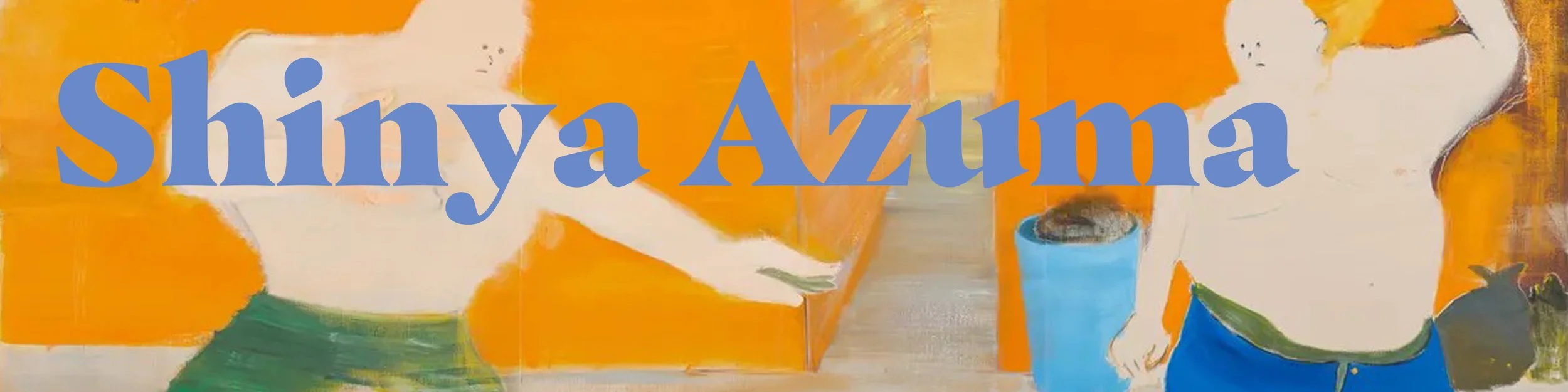
August 22 - September 26, 2026
Galleri Urbane is thrilled to welcome Japanese artist Shinya Azuma to Texas for an upcoming residency at the Augustus Owen Foundation and solo exhibition at the gallery. This marks the artist’s first solo show with the gallery, in partnership with Cohju Gallery based in Kyoto, Japan.
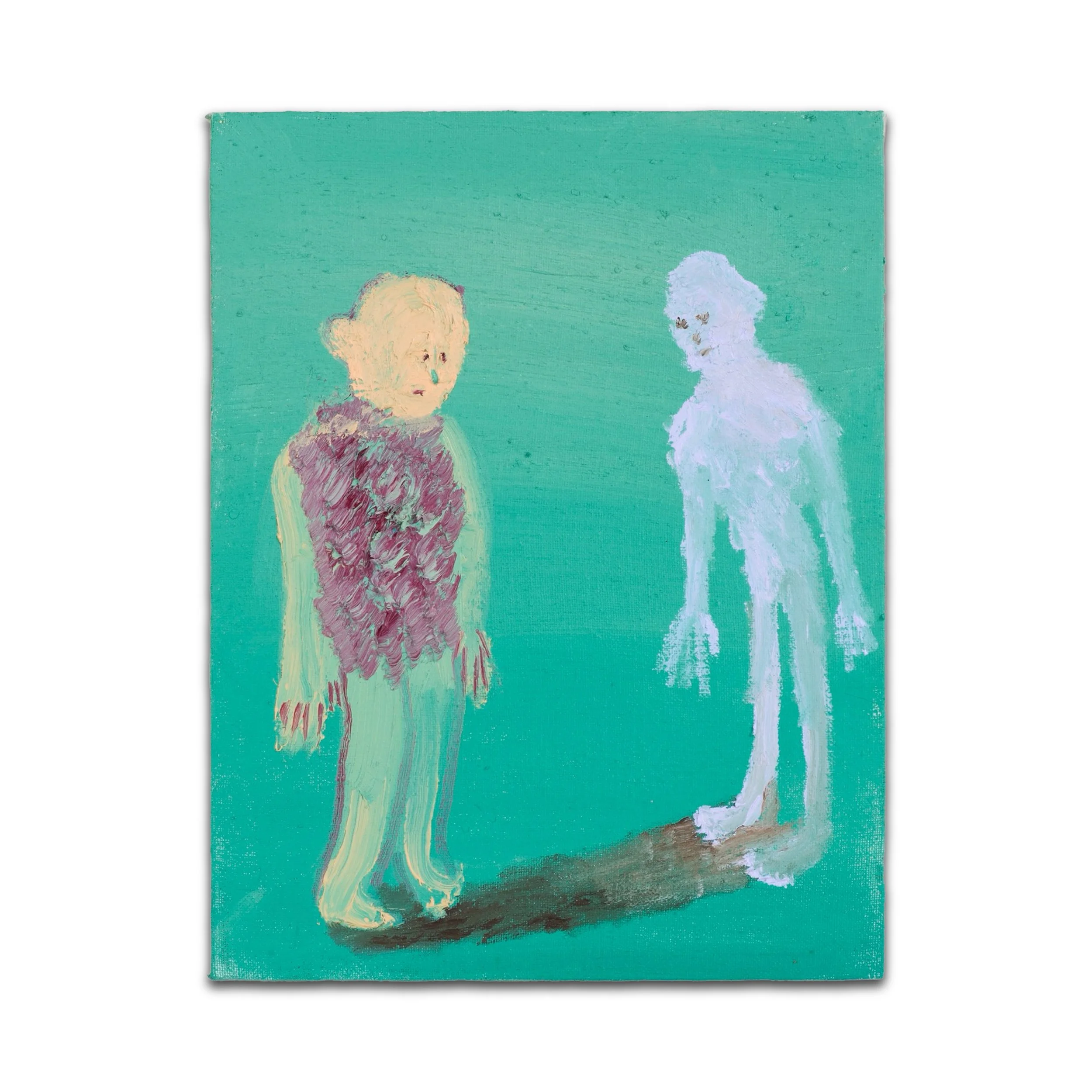
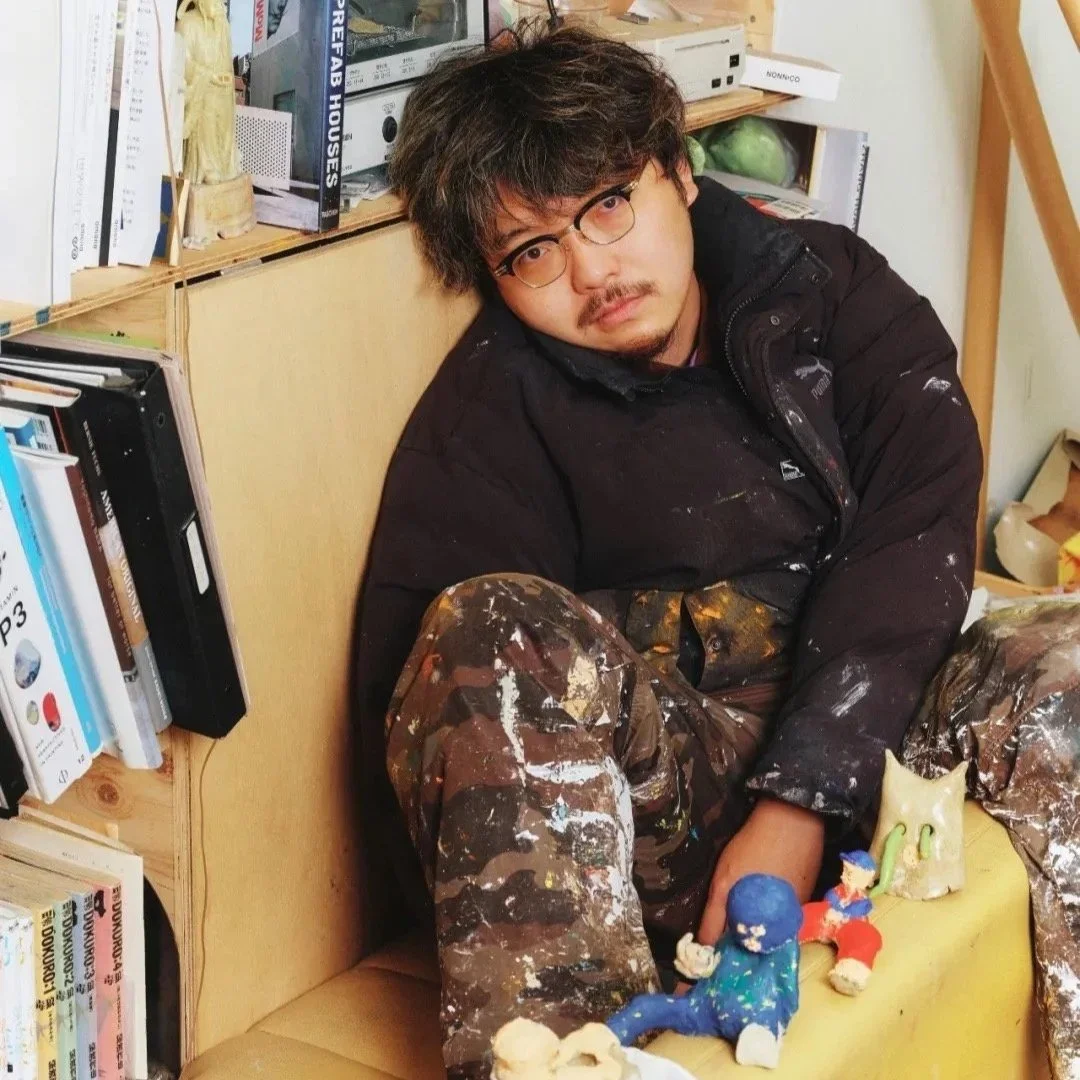
Shinya Azuma in his Kyoto Studio
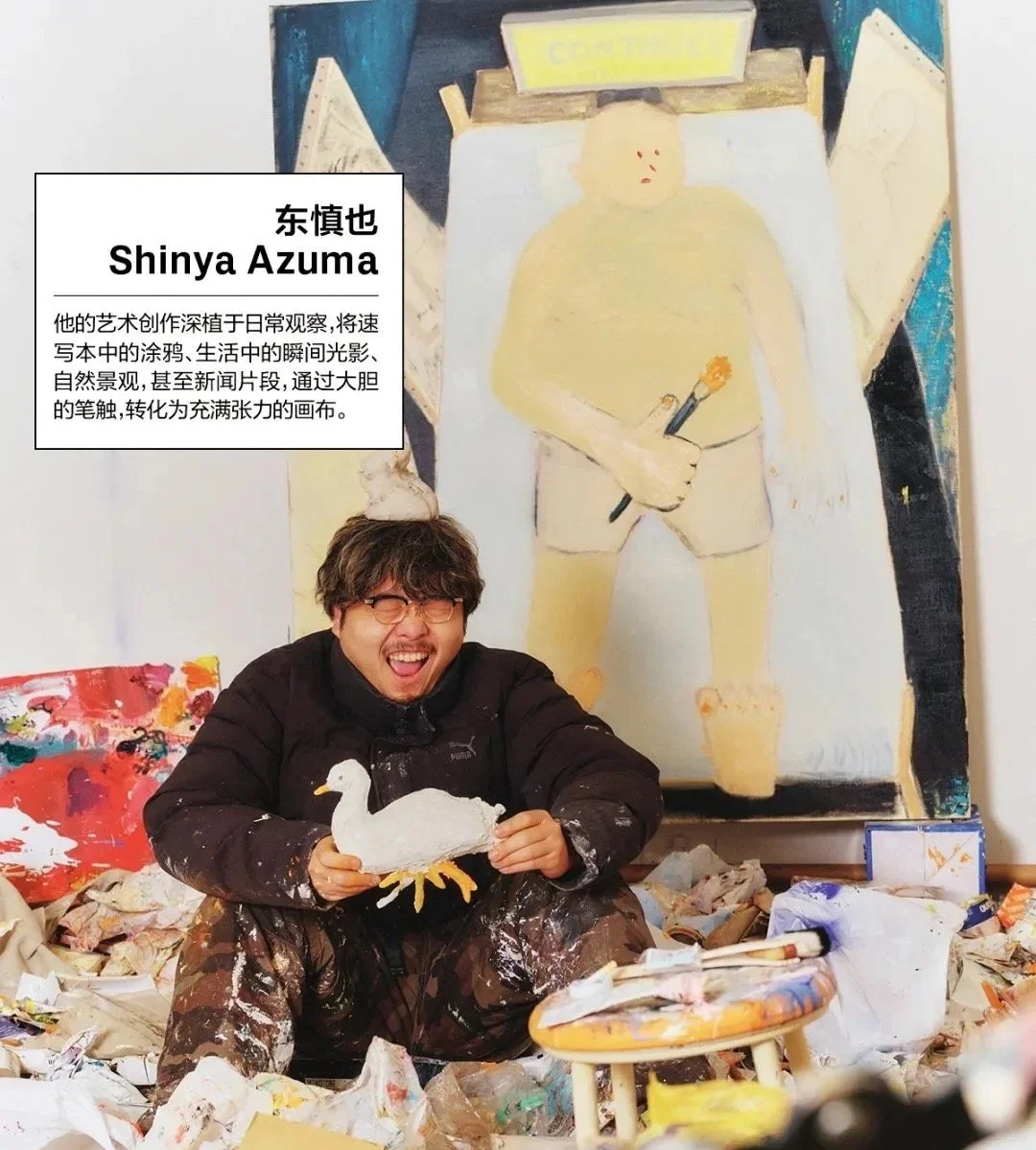
“It is characterized by a style that projects current affairs and everyday events, sometimes to oneself and animals, and puts a cynical message in a genuine motif. The characters who appear in the work are sometimes comical, sloppety, and somewhat charming. It also feels like it reflects the desire, renunciation, weakness, and selphism that
lurk in ourselves.”
Fresh off a successful showing at Art Basel Hong Kong—and the launch of his new monograph and solo show that opened July in Tokyo—Shinya is bringing his vision to the Lone Star State. Shinya’s work is deeply inspired by his immediate surroundings, as well as current political and social climates. Coming right off the energy of the recent World Cup games, it will be fascinating to see how he interprets his environment here.
Watch:
Meet Your Art discusses Shinya’s artwork and practice
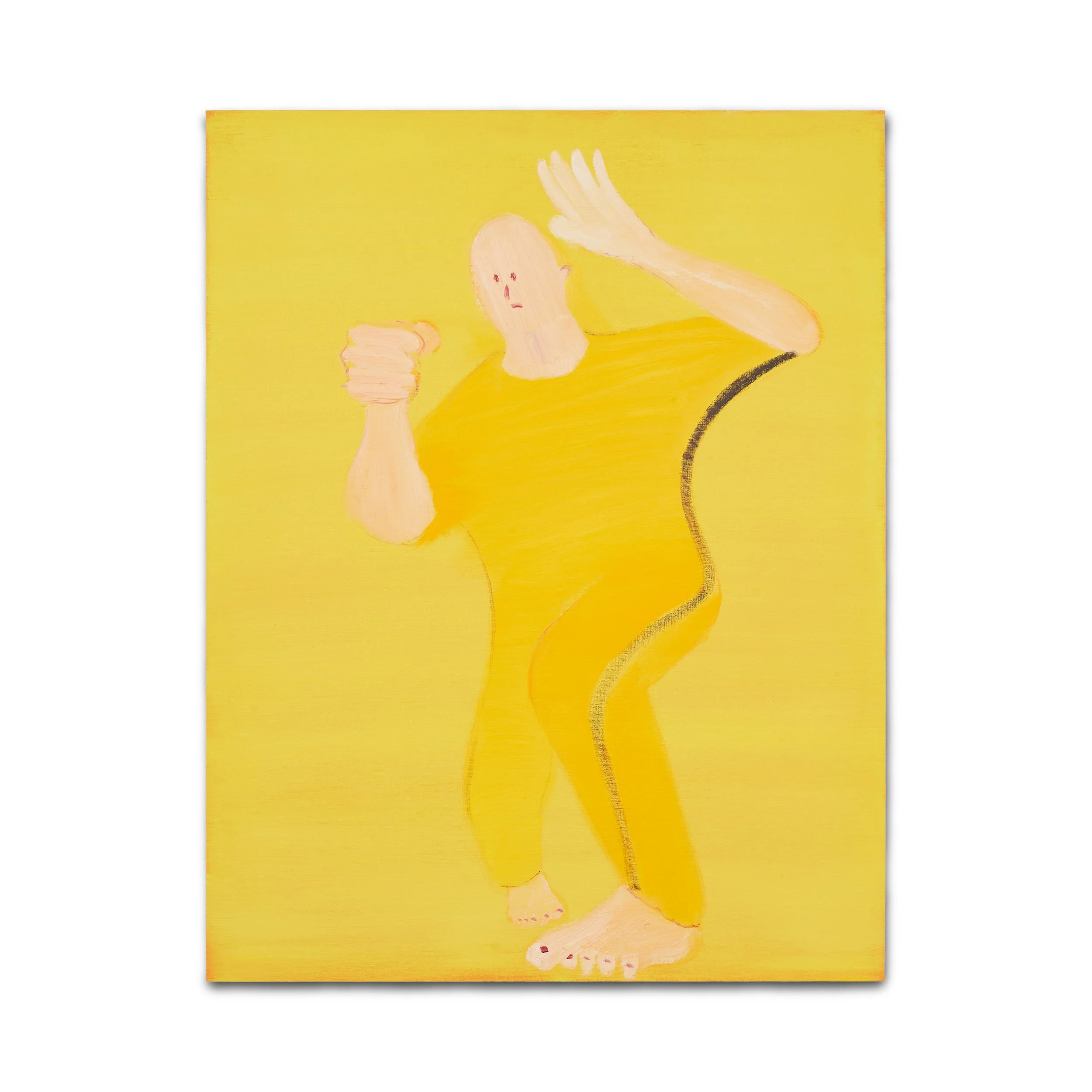
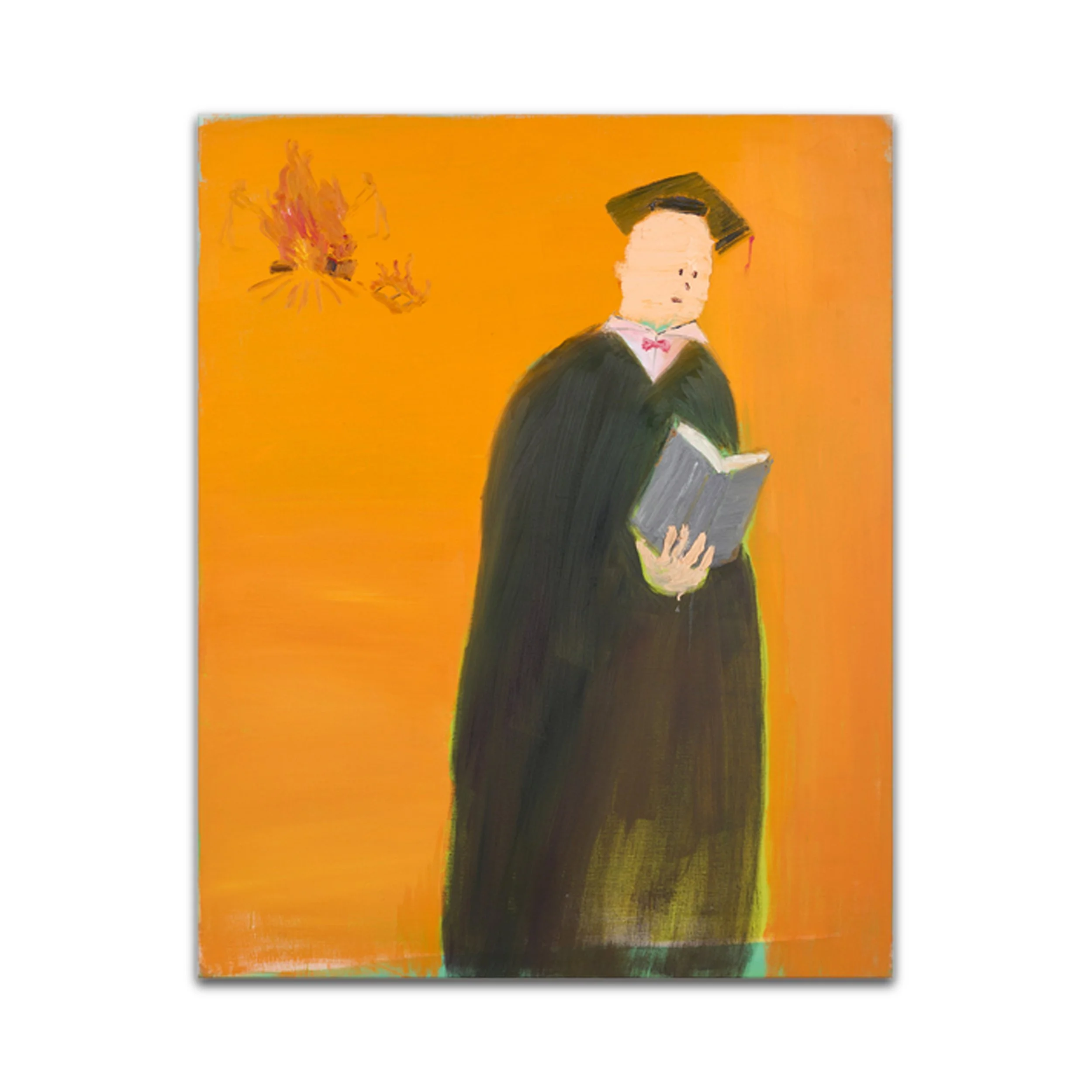
Knowledge, 63.75 x 51.25 in.
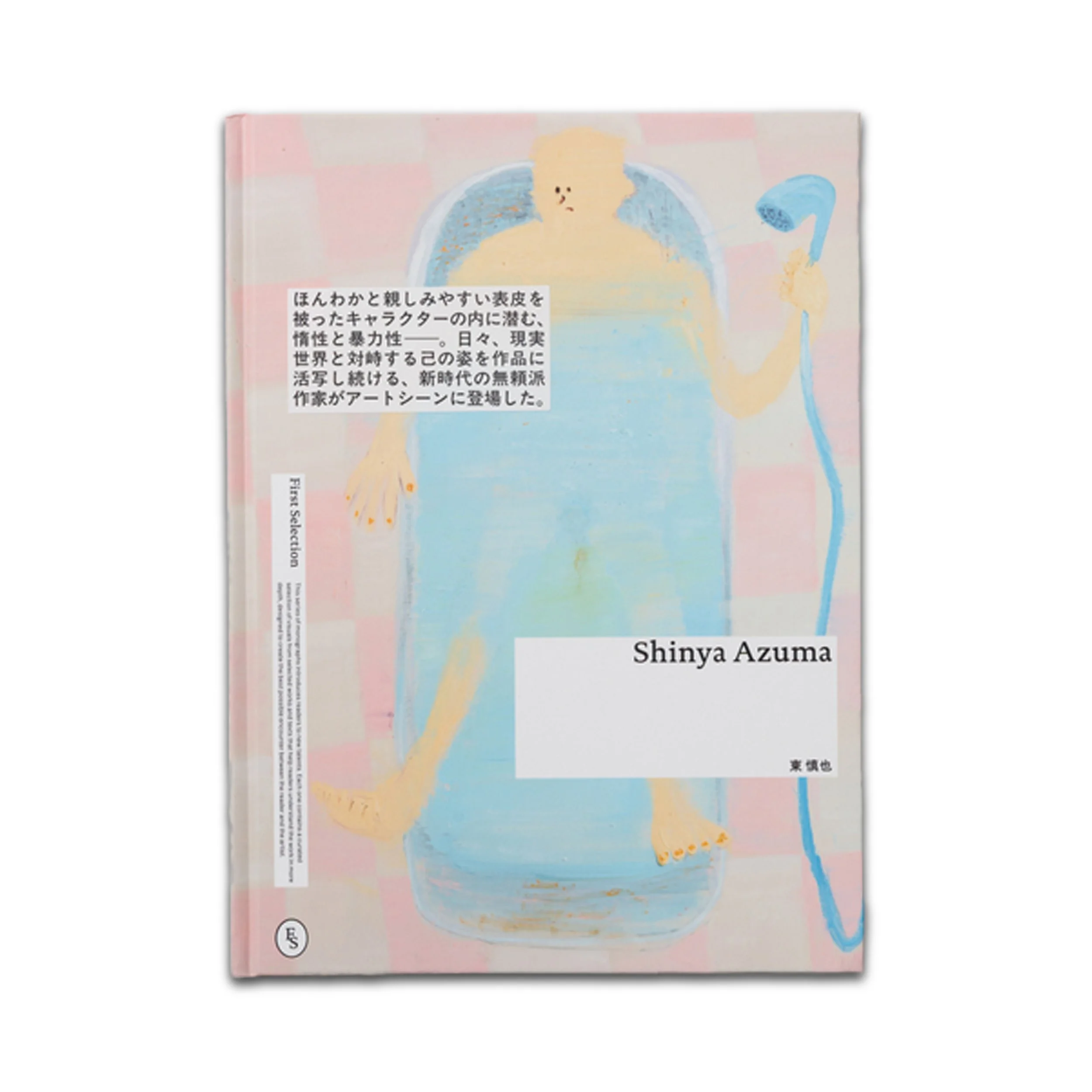
‘First Selection: Shinya Azuma’
Published by Mitsumura Suiko School, this Monograph is the first from Azuma, featuring 82 paintings and wood carvings. At first glance, Shinya Azuma’s works exude a gentle and endearing charm. The artist himself says he wants to depict "human beings, including his own sloppiness, living in this era.”
"First Selection" is a series of art books that introduce one artist per book, featuring carefully selected visuals of their work and accompanying text to help readers deeply understand their art. The word "First" evokes a fresh image, and the meaning of "first-class" or "unrivaled" is combined with the desire to create books that will serve as a springboard for the further success of young artists. We aim to create the best possible encounter between readers and artists.
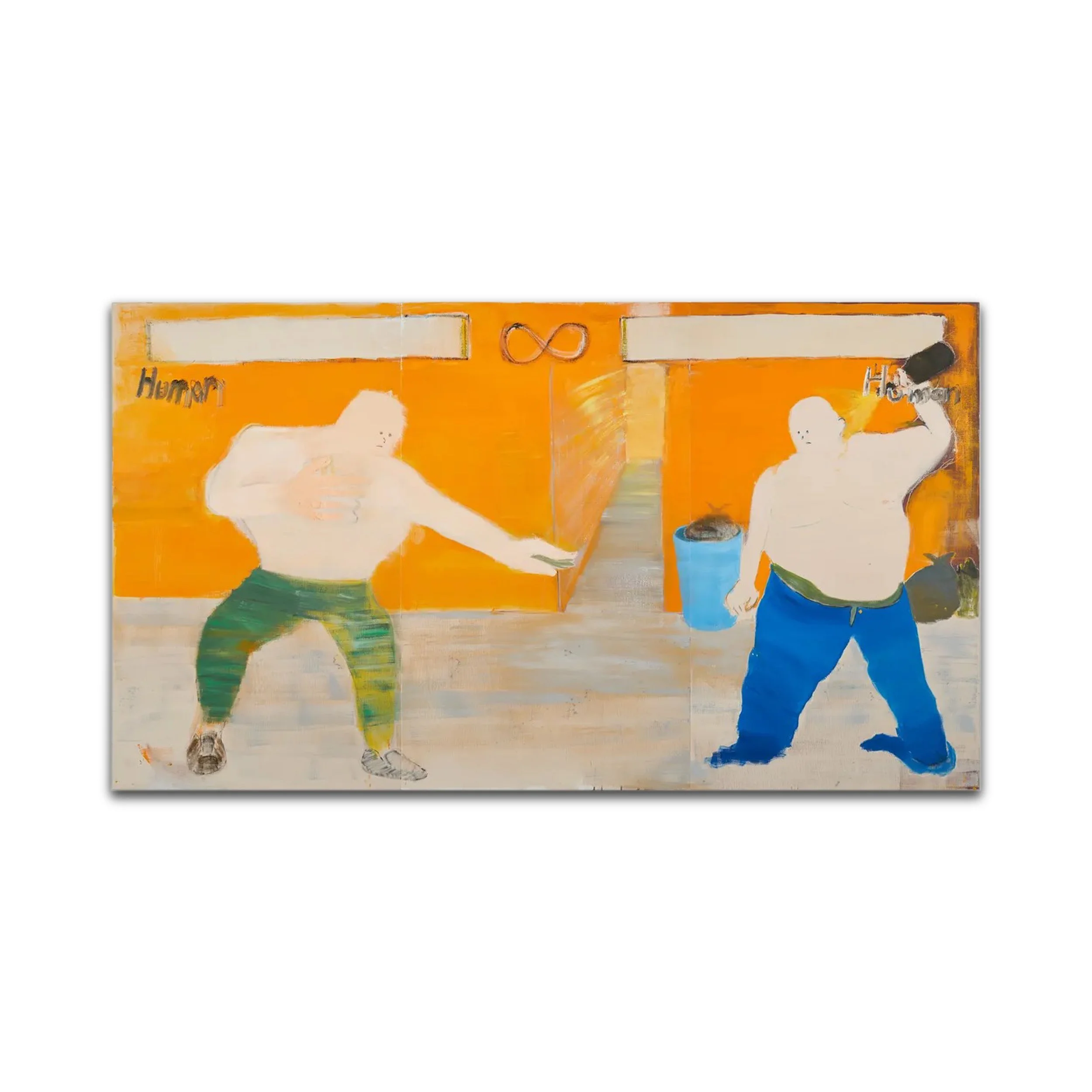
Round 1 Fight!!, 106.25 x 189 in.
Shinya Azuma makes a sketch of images inspired by the news programs or from sceneries in his daily life experiences, he then remakes it on canvas with bold brush strokes. Azuma’s use of peculiar scenarios, color and dynamic texture of the medium have quirkiness somehow, and vigour which stops us to see the picture. The themes of the works range from some well-timed serious issues such as the wealth inequality orprotests all over the world to personal sexual experiences, but they all capture different aspects of humanity. Like memes on the social media, the distinctive type of humor which can be both of the satire and the self- deprecating sarcasm is one of the attractions on his works.
Shinya Azuma was born in Osaka in 1994, and currently based in Kyoto, Japan. Azuma received M.F.A in Contemporary Art from Kyoto University of Art and Design.
Azuma’s works have been exhibited in Art Fairs and galleries around the world; Tokyo and Kyoto, Japan, Miami Florida, Paris, France, Dallas, Texas and Mexico City, he was included in the special section for young artists at Sydney Contemporary (2019).