
Untitled Art – Miami
Booth A55
December 2nd – 6th, 2026
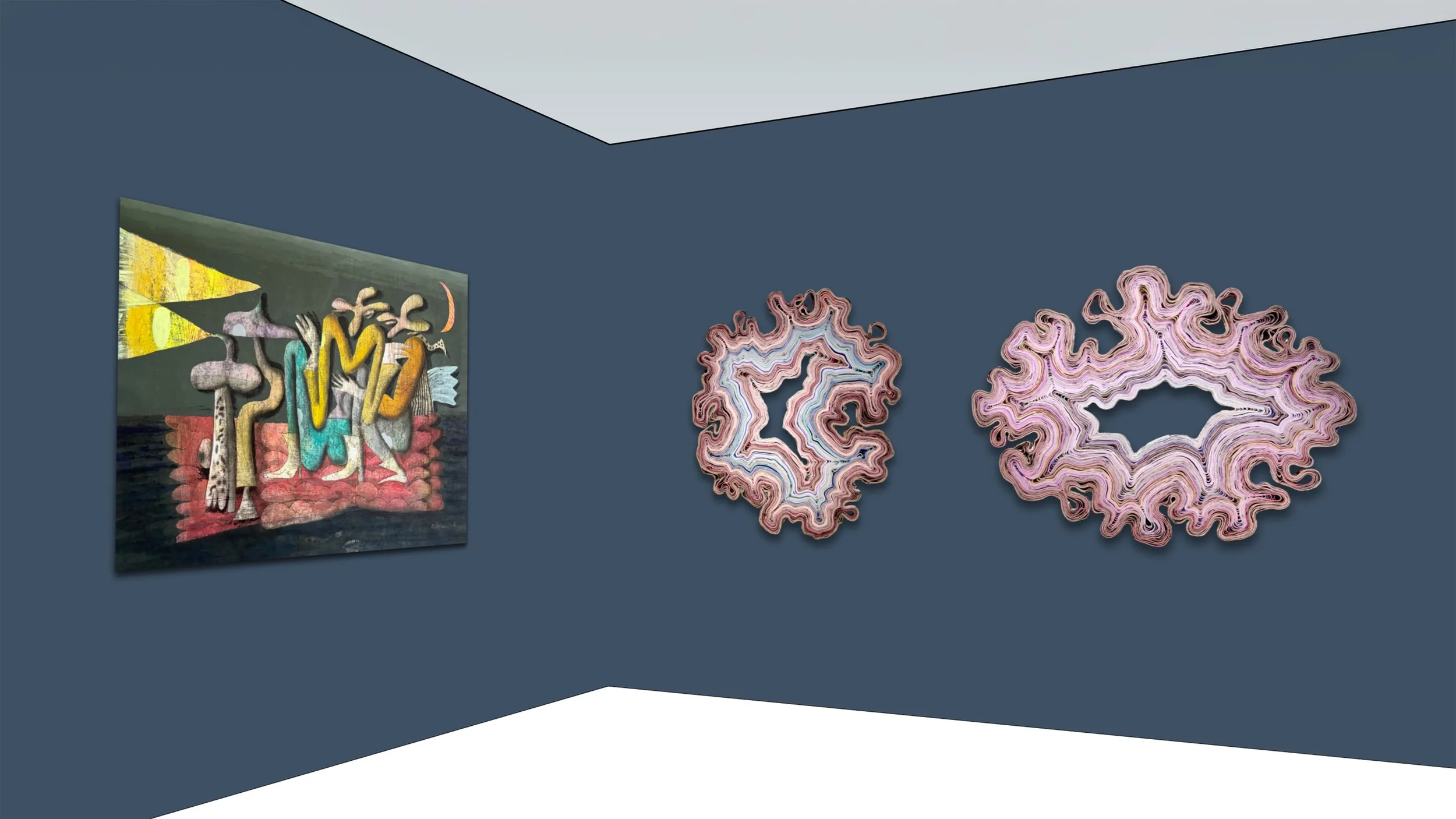
Galleri Urbane is pleased to present Jessica Drenk, József Csató, and Marlon Wobst at Untitled Art, Miami. This presentation bridges the gap between material abstraction and the organic figure, exploring a tactile, international language of the body through sculpture and painting.
JESSICA DRENK
About Jessica Drenk
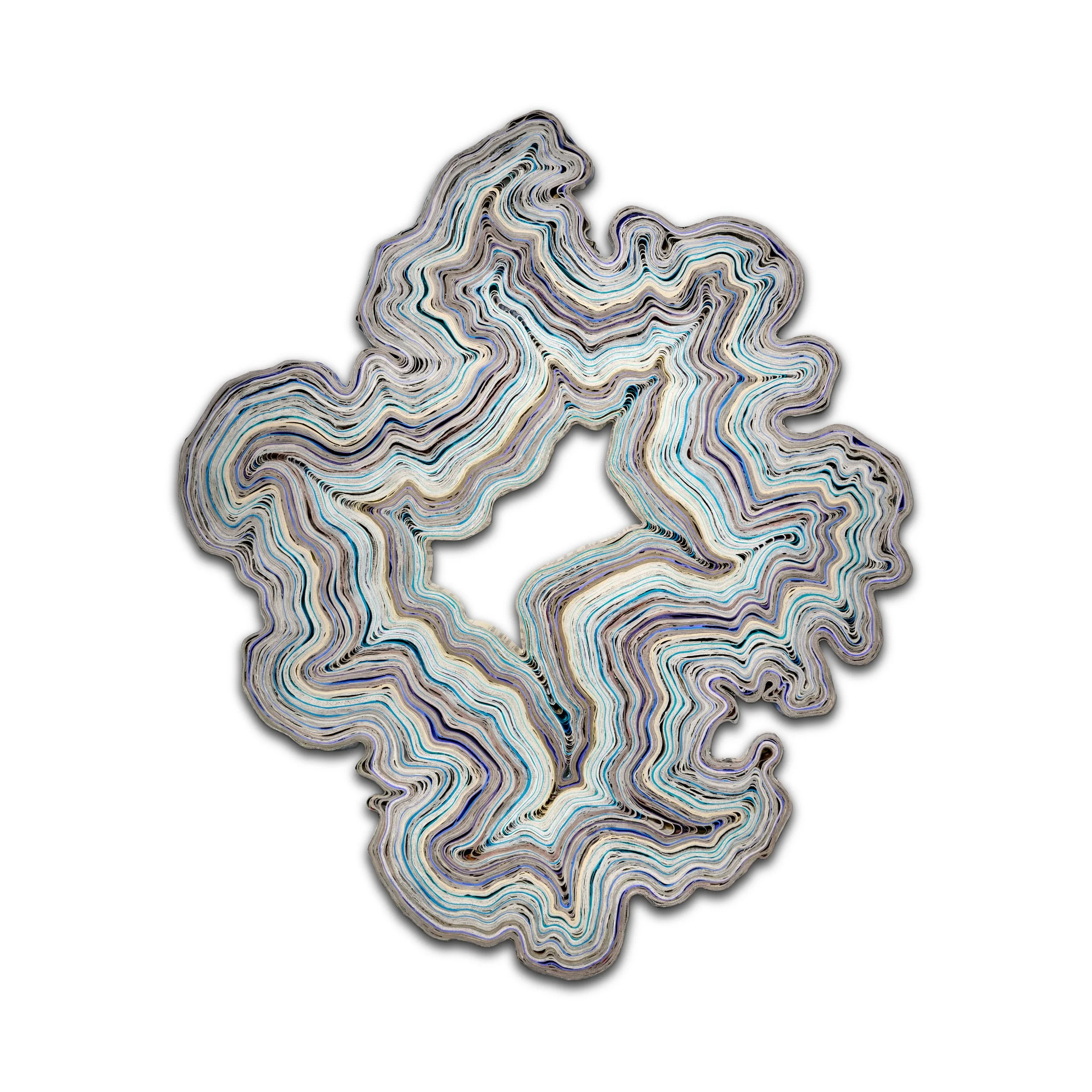
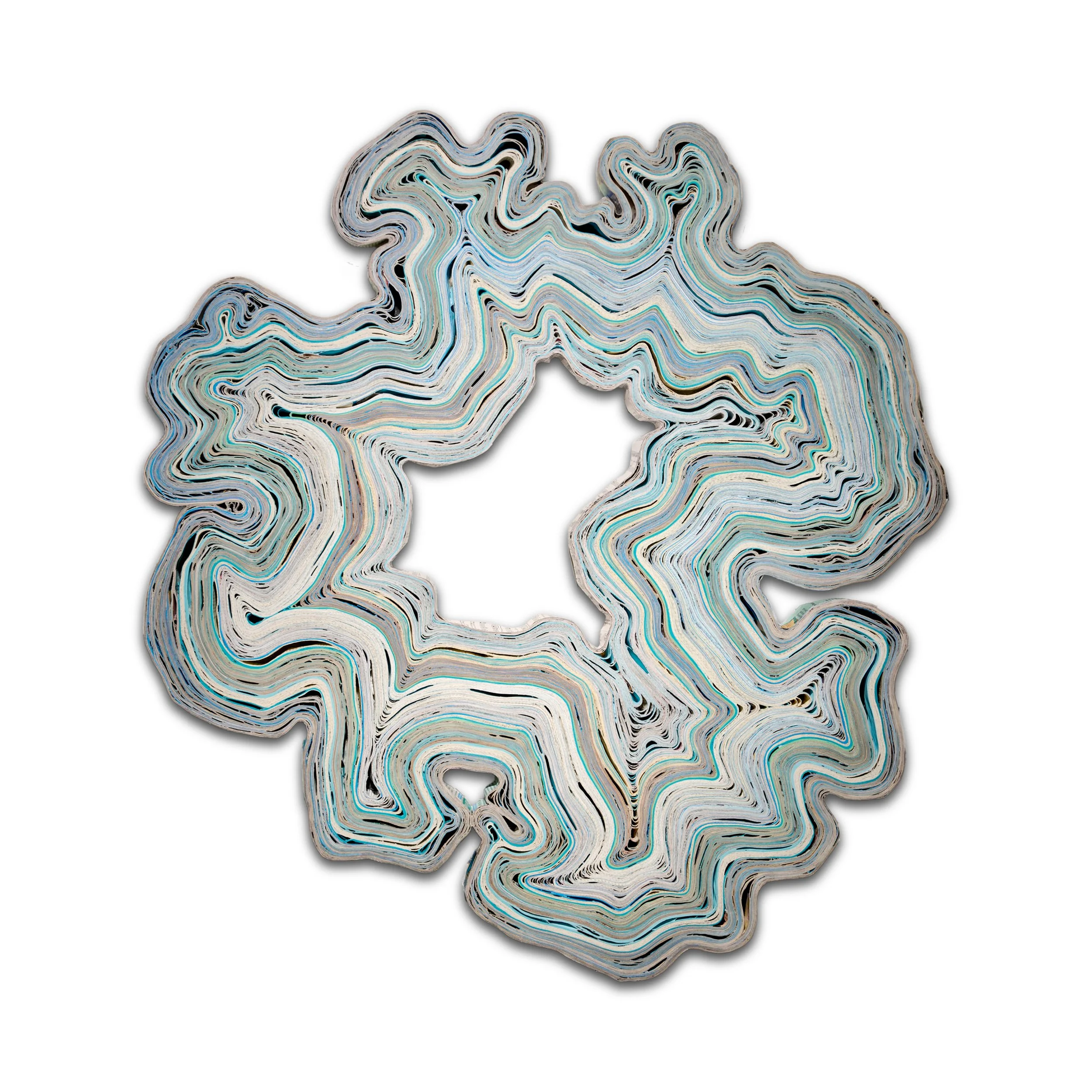
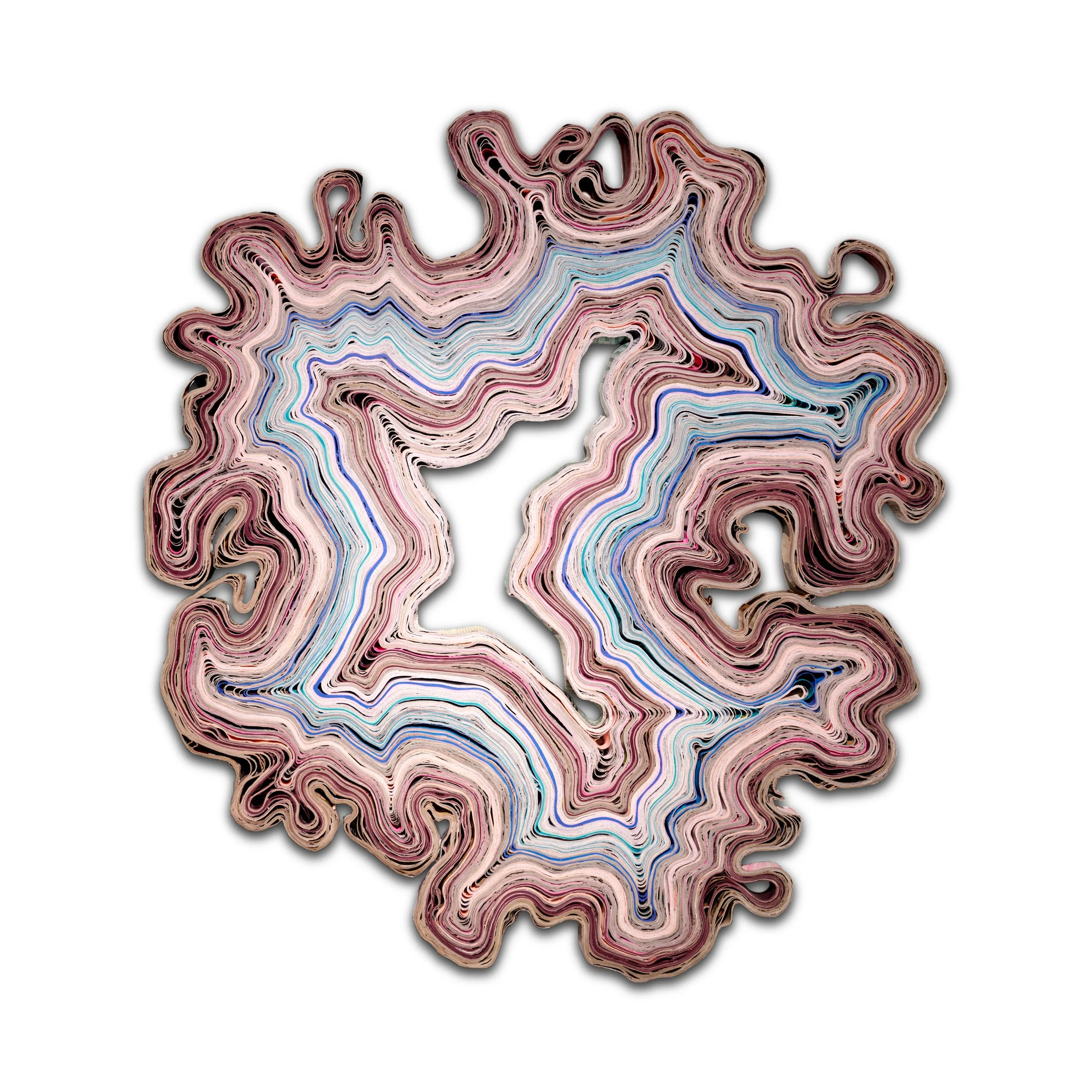
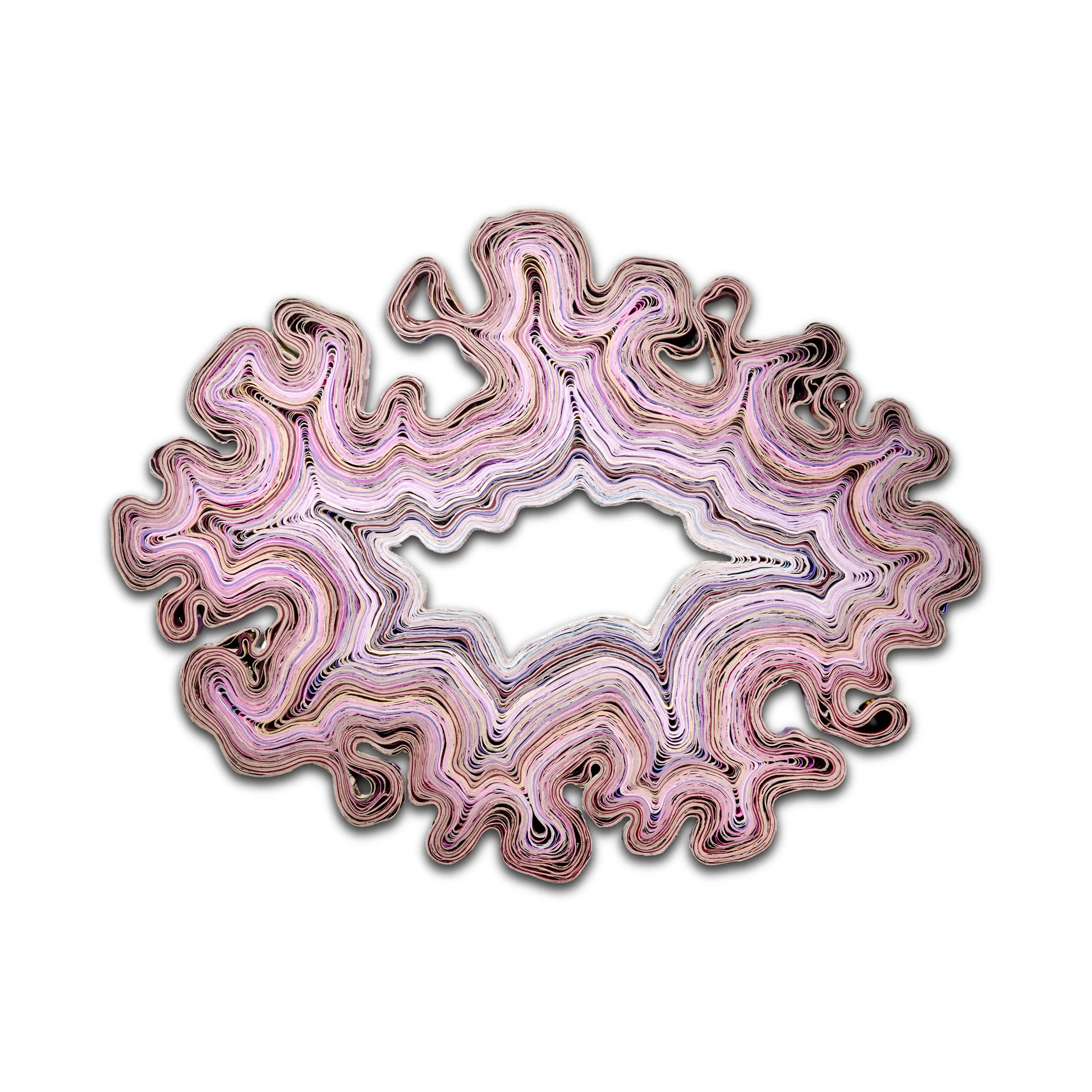
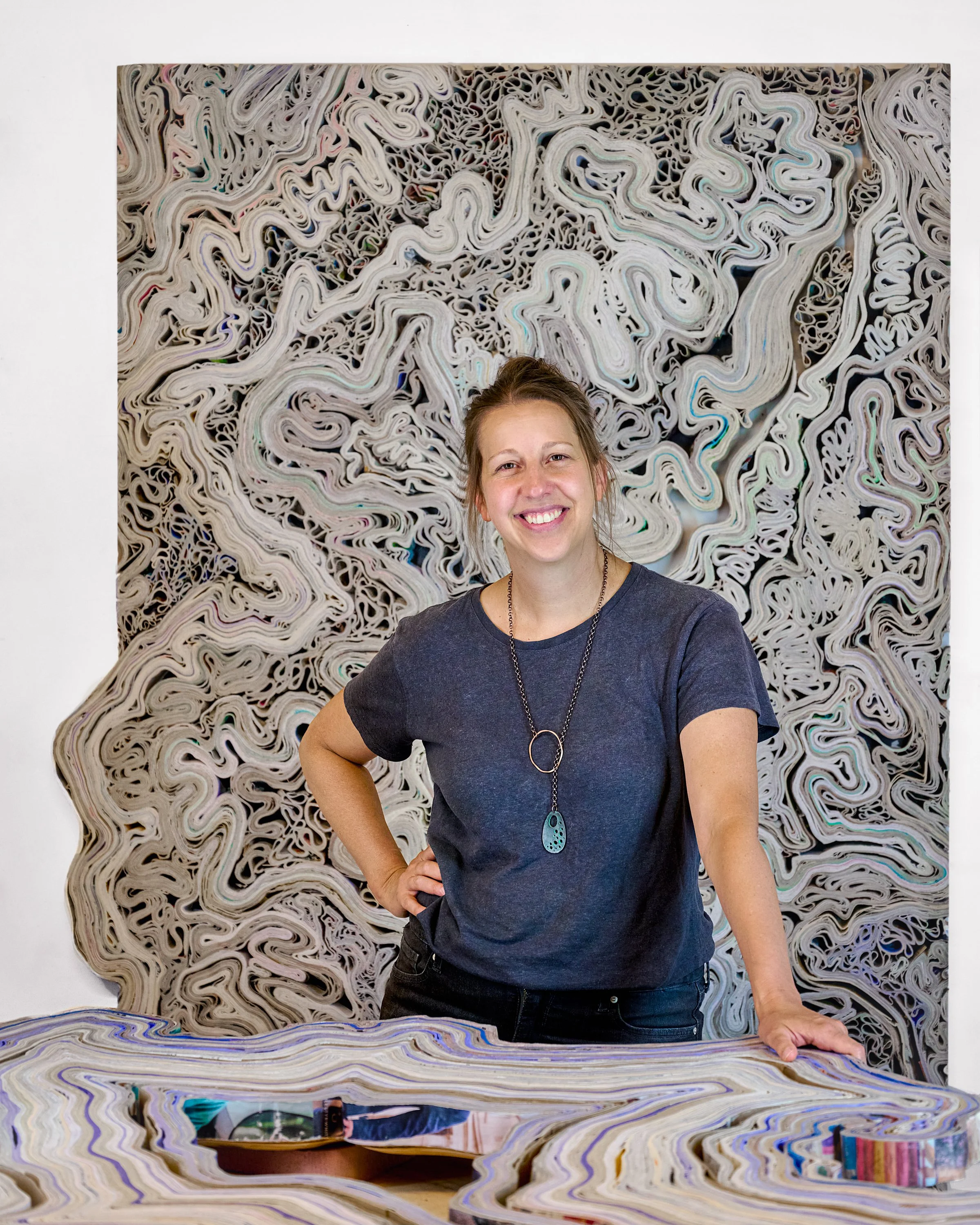
At first glance, Jessica Drenk’s sculptures look like stone. Some are rounded, with concentric bands like a polished agate. Others are squares, rectangles or undulating waves, with layered edges that look like a canyon wall or a cut mountainside. Every piece in her Aggregate series is made entirely of used paper: junk mail, catalogs, coupons, colored fliers, newspaper and cardboard. Glued together layer by layer, this discarded material takes on the look of rock formed over millions of years. That time scale is the opposite of our momentary relationship with junk mail. Drenk sets the slow time of erosion, counted in eons, against the everyday rhythm of the mail and the weightlessness of sales and deals: ephemera versus eternity.
Drenk describes her practice as an inquiry into materiality. She looks at what makes up the objects around us and the natural world, how parts combine into a whole, and the shapes and textures found at every scale. She treats everyday objects as raw material and calls her approach a form of conceptual alchemy: as she physically reworks these objects, their meanings change. Each piece responds directly to its material. It overturns what we associate with that material and points to the life cycle of objects over time.
Jessica Drenk is an American artist raised in Montana, where she developed an appreciation for the natural world that remains an important inspiration to her artwork today. Tactile and textural, her sculptures highlight the chaos and beauty that can be found in simple everyday materials. Drenk’s work is in private collections throughout the world, as well as institutional collections including the Yale University Art Gallery and the Huntington Museum of Art. Corporate collections include the Clements Collection UTSW, Wells Fargo, Fidelity Investments and The Macallan distillery in Scotland. Drenk has been the recipient of several awards, including International Sculpture Center’s Outstanding Student Achievement in Contemporary Sculpture Award, and her work has been pictured in Sculpture and Interior Design magazines, as well as The Workshop Guide to Ceramics. Drenk received an MFA in 3D Art from the University of Arizona in 2007 and a bachelor’s degree from Pomona College in 2002. Jessica lives and works in Rush, NY.
JÓZSEF CSATÓ

About József Csató
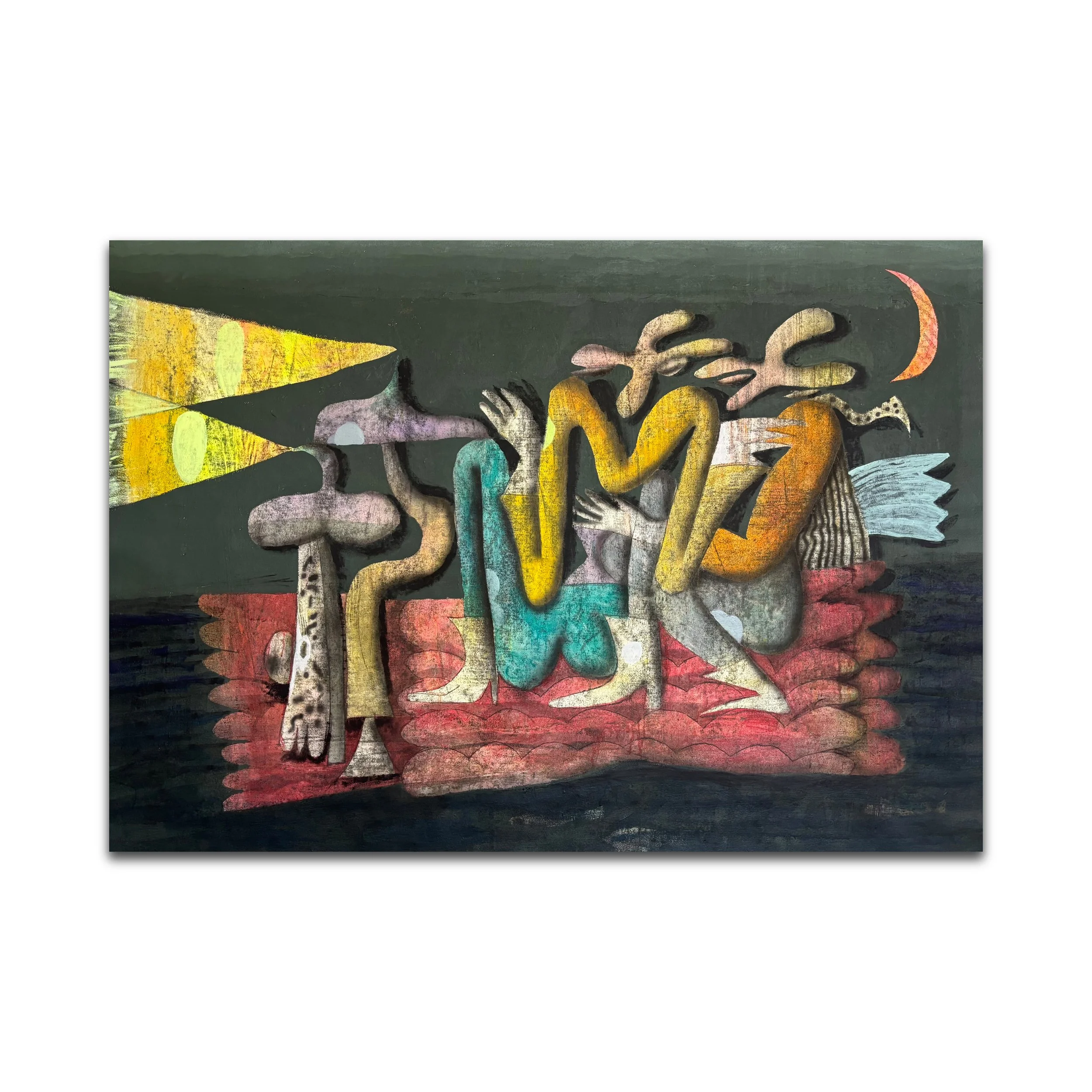
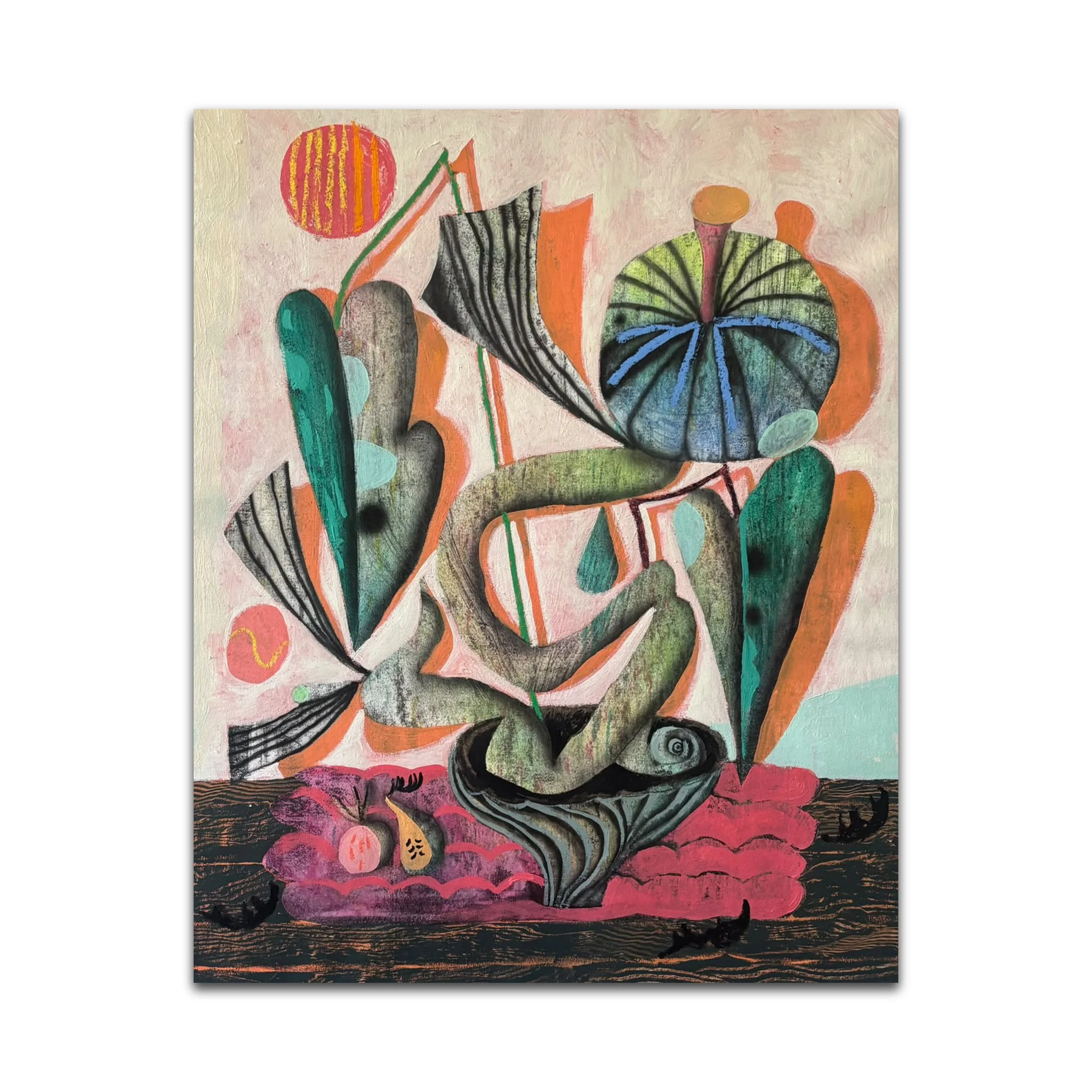
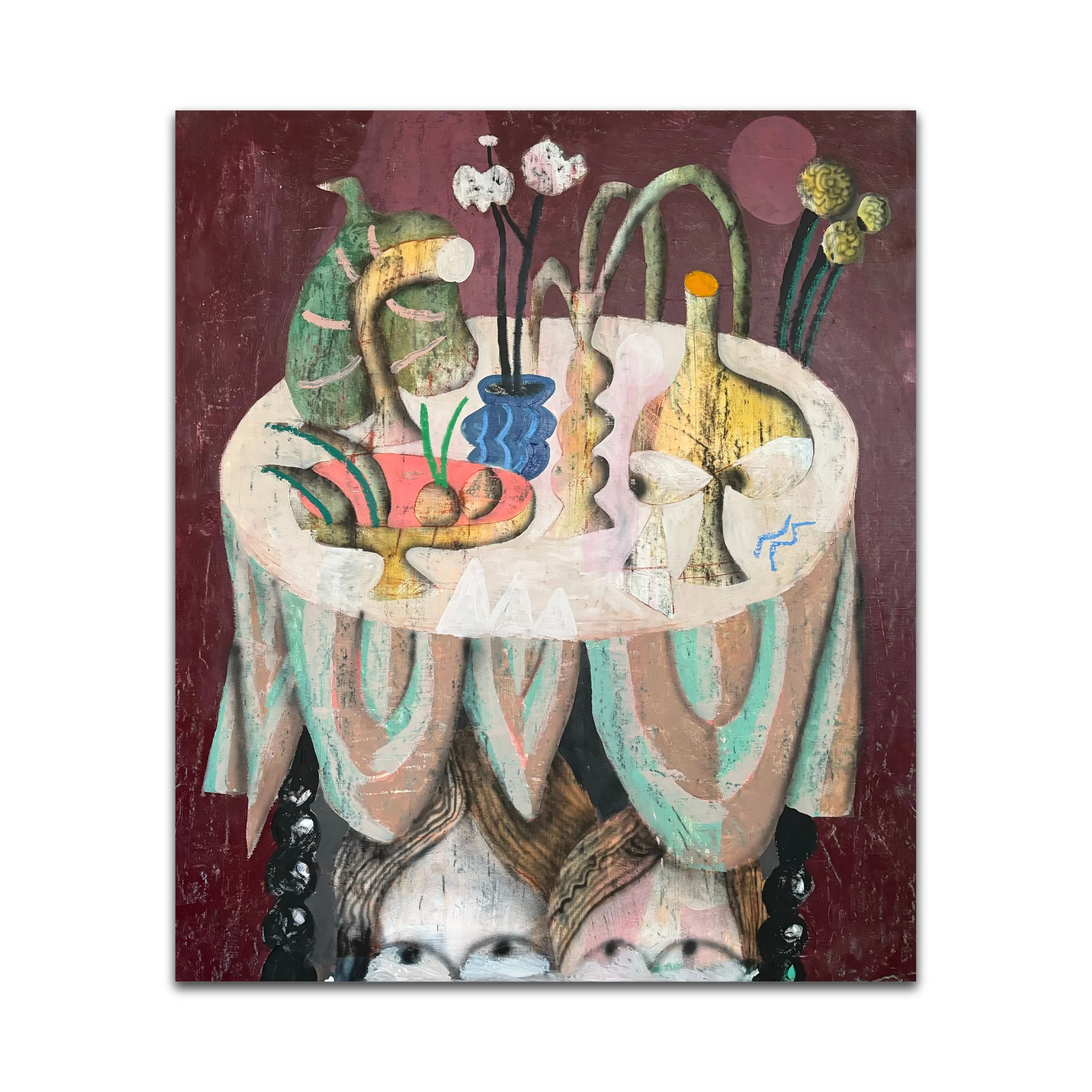
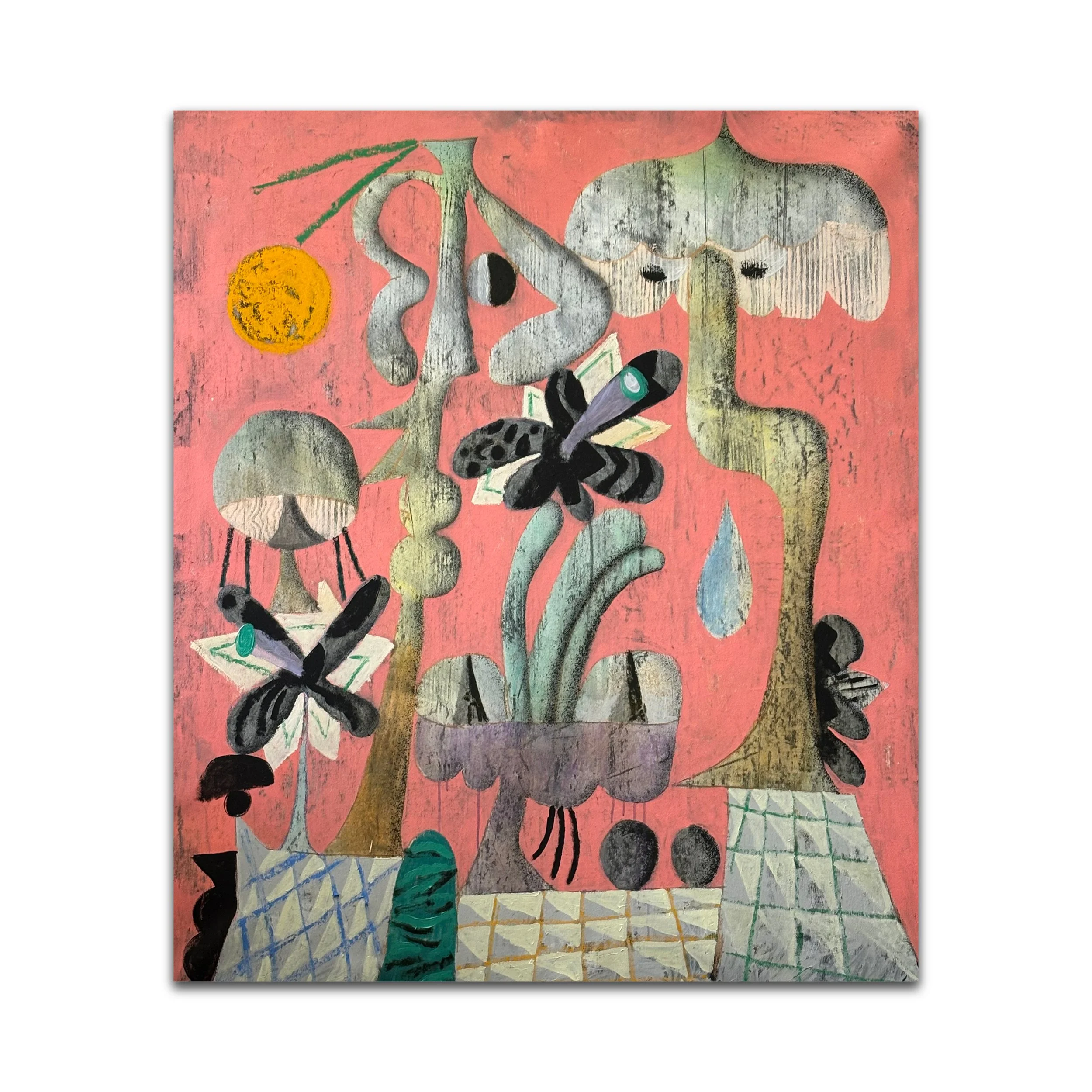
József Csató’s practice is twofold: he works up the composition through drawing, until drawing becomes insufficient. He then turns to paint. However, Csató does not prefer one to the other, and it can be frustrating to know when to end one medium and turn to the other. “There are some points where I see it could be worked with forever,” says Csató. At times, the painting can still benefit from drawing, and so the artist will work with oil sticks or chalk atop the paint.
The curvilinear forms that place Csató’s vases, skull shapes, flowers and eyeballs among each other outshine their quiet, single-color backgrounds. Csato’s painting method consists of scraping color across the canvas, leaving a dusty texture behind. These shapes should be familiar: they are representative of a vast repertoire of Csató’s sketch practice, brought into full realization through paint.The surface that Csató builds up can intimate age, and so he experiments with rough dashes of chalk or pigment to jolt the image into a different timeline of figuration.
József Csató (b. 1980, Hungary) lives and works in Budapest, Hungary. He completed his studies at the painting department of the Hungarian University of Fine Arts in 2006, under the instruction of Dóra Maurer. He is a three-time recipient of the esteemed Gyula Derkovits Scholarship from 2013 to 2015, and received the prominent Esterhazy Prize in 2013. He was an artist-in-residence at the Krinzinger Gallery (A) - AIR program in 2017. He has held solo exhibitions at PLUS-ONE Gallery, Antwerp; Semiose Gallery, Paris; Double Q Gallery Hong Kong; Galerie Krinzinger, Vienna; Vielmetter Gallery, Los Angeles; and Galleri Urbane, Dallas. Recent exhibitions include: Big Bang, a group exhibition at the Ludwig Museum, Budapest (2026), The Most Merciful Thing, solo exhibition at Krinzinger Gallery, Austria (2026), and Frieze, London, with Krinzinger Gallery, Budapest. His works can be found in numerous private and institutional collections, including the Ludwig Museum, Budapest; Arthena Foundation, Düsseldorf; Hungarian National Bank, Budapest; and Beth Rudin DeWoody, New York.
MARLON WOBST

About Marlon Wobst
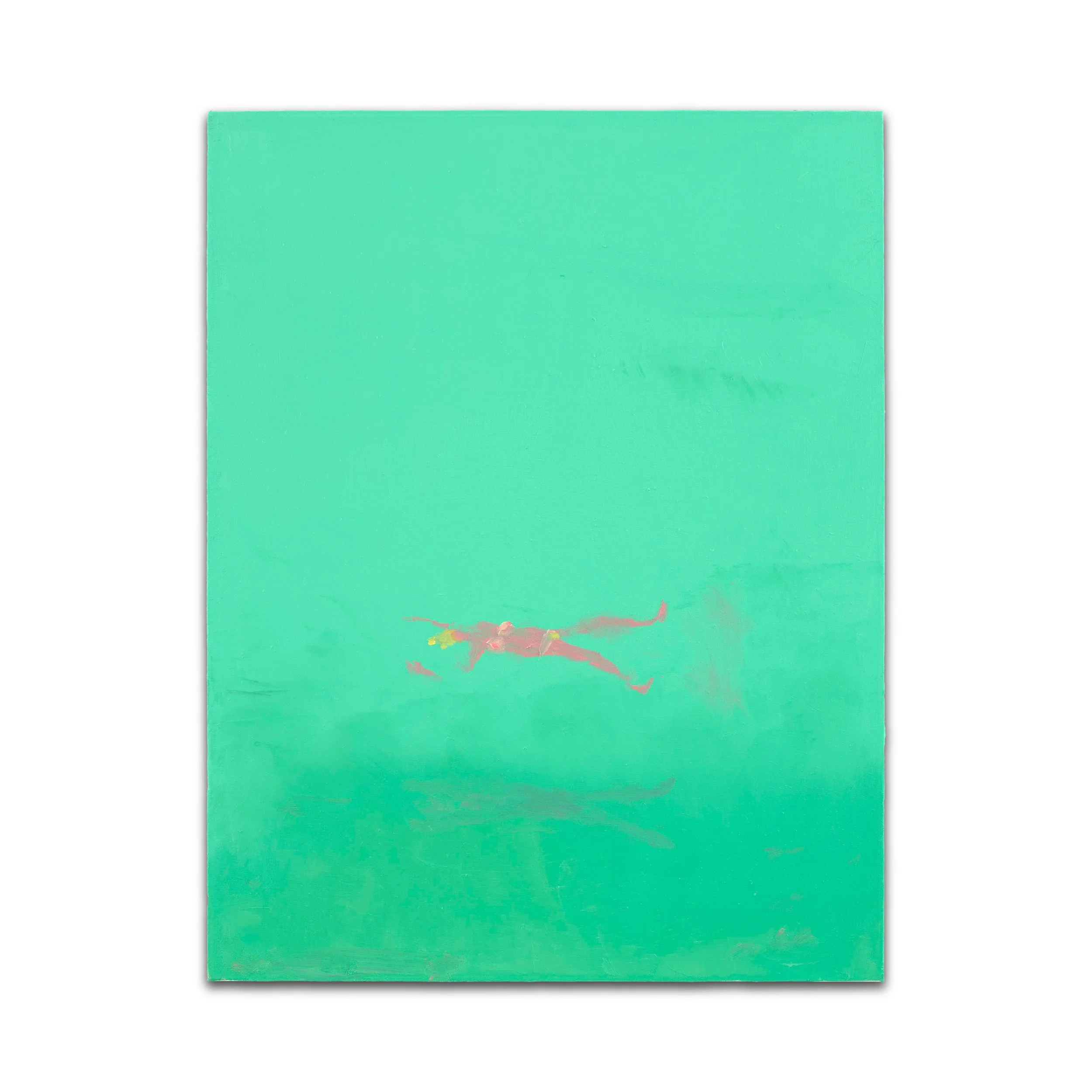
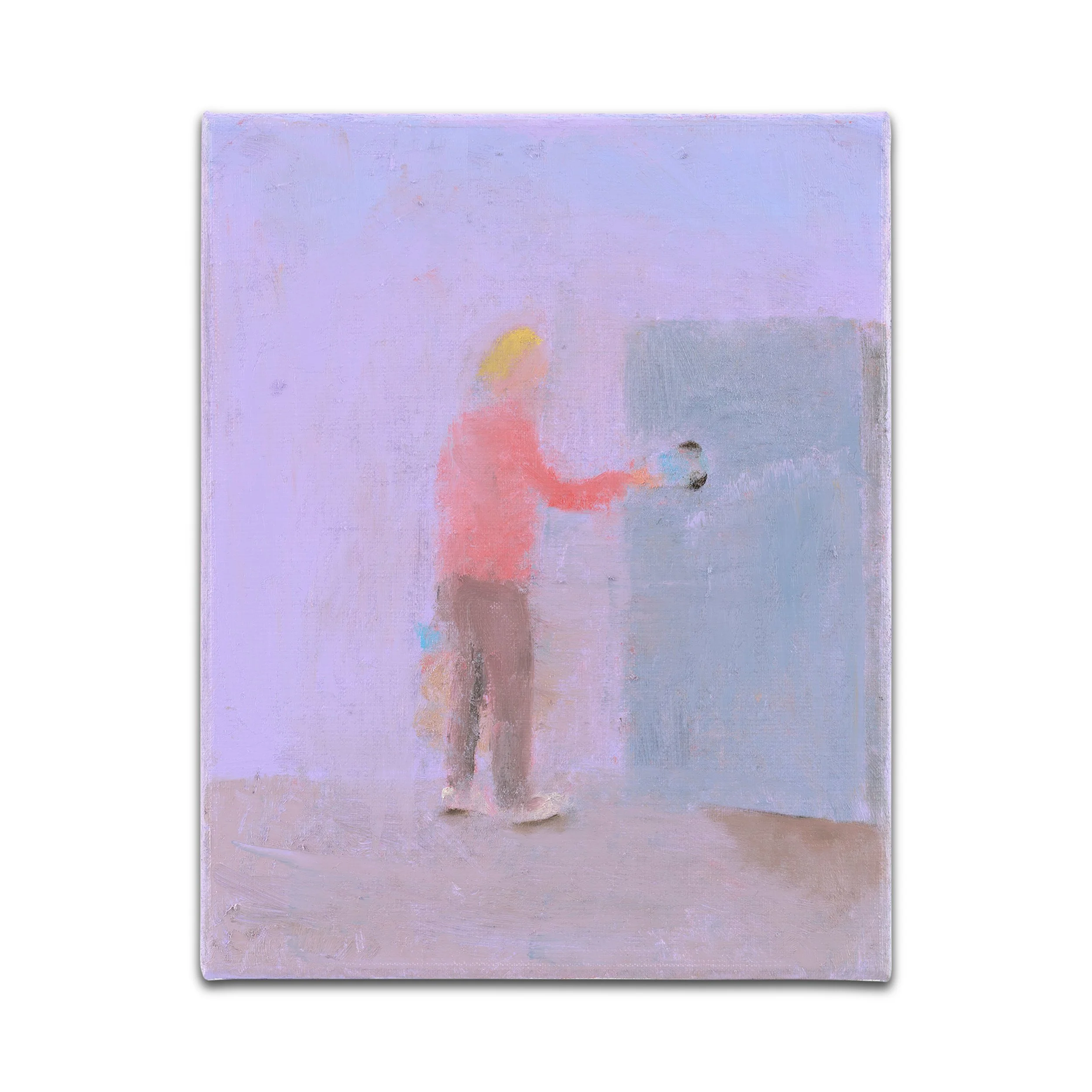
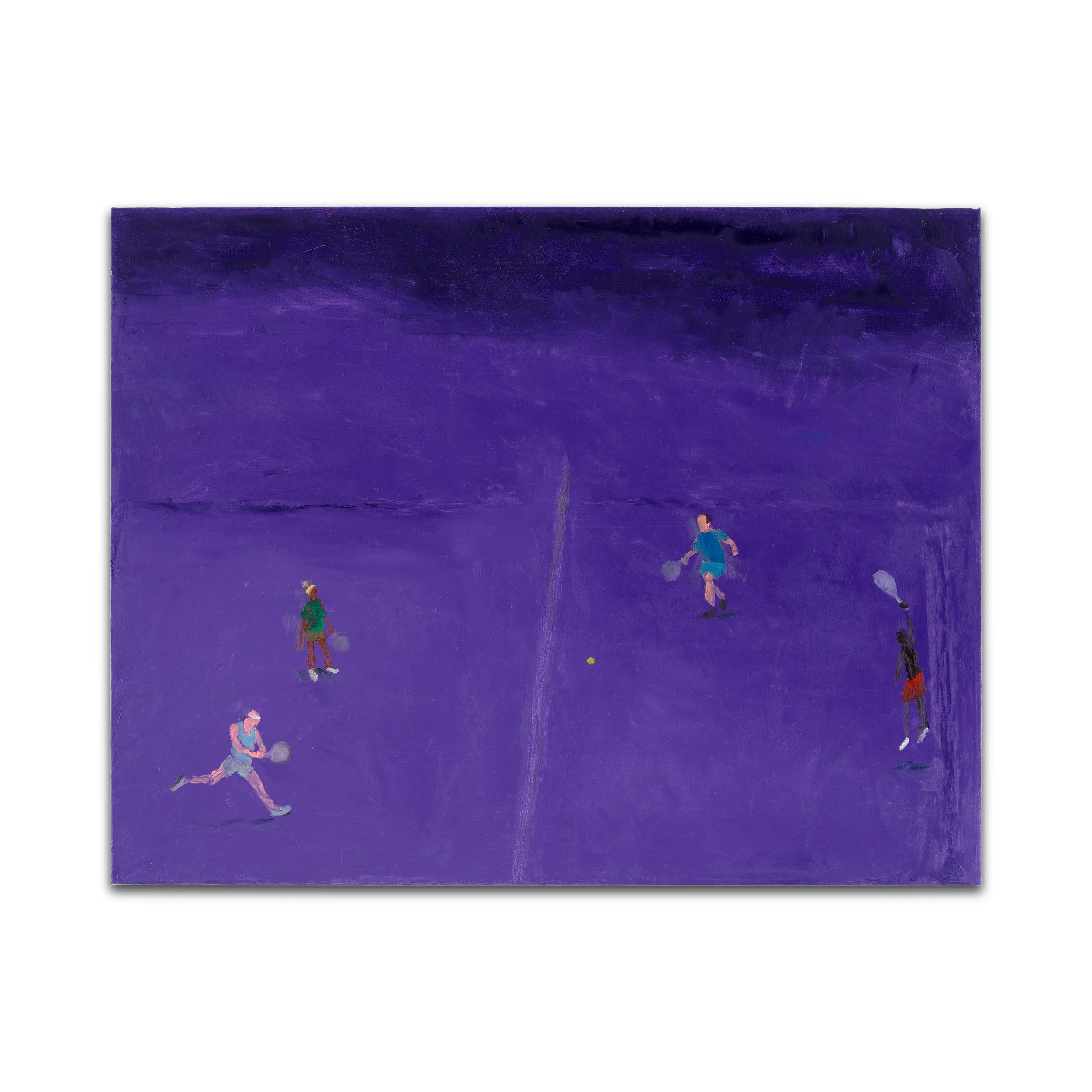
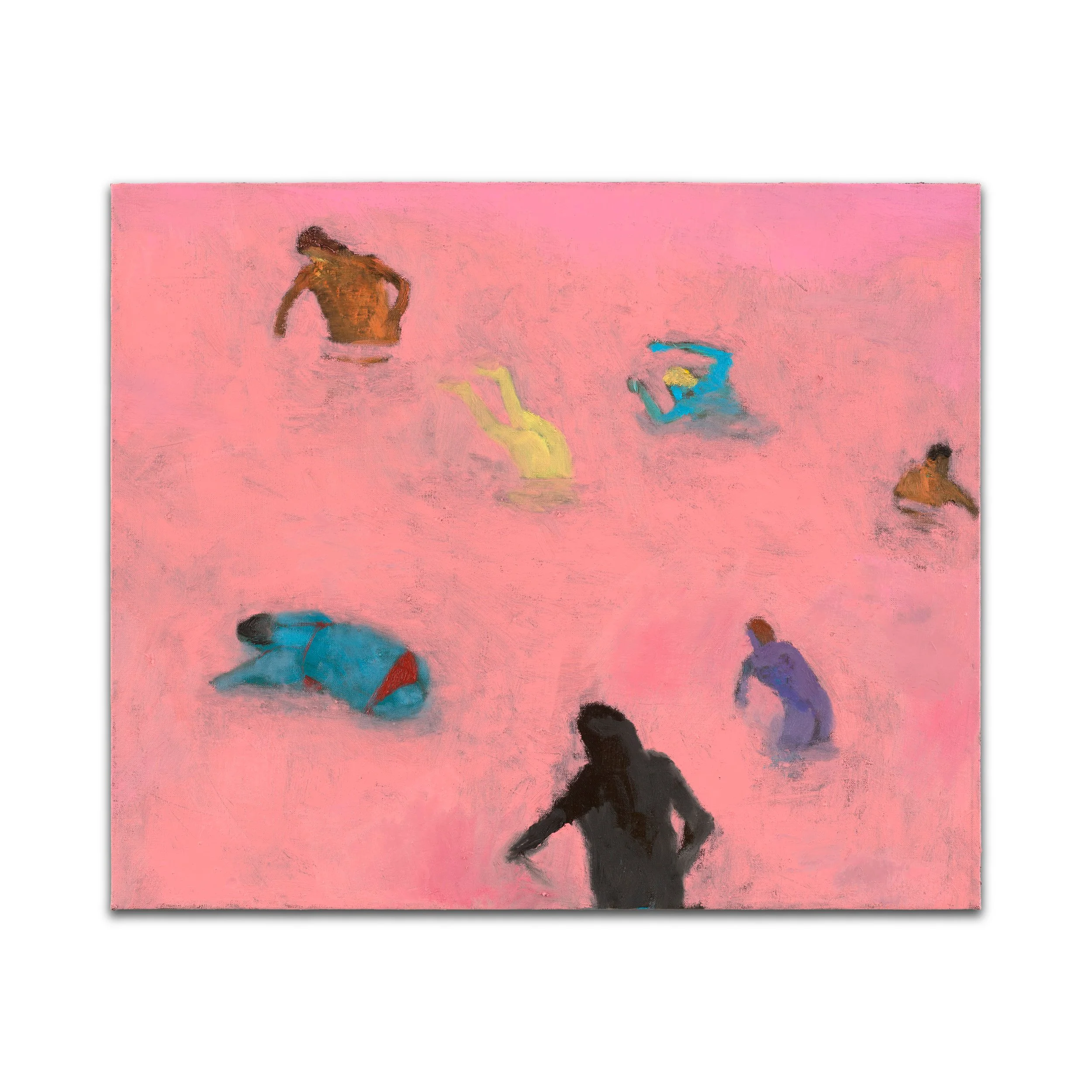
With their bright colors and featureless faces, Marlon Wobst’s pictures cultivate a charged tension between boisterous activity, and a slightly eery absence of intention. In other words, no object or expectation. Just play. Play is here also a metonym for the act of painting itself. Whereas child’s play is undertaken solely in pursuit of the natural right of pleasure, these paintings undertake the adult variation on this theme; pursuing free play via the unplanned — or barely planned — image, they also take part in a constantly unfolding reminder of play’s human necessity. As the child psychoanalyst D.W. Winnicott put it: “It is creative apperception more than anything else that makes the individual feel that life is worth living.”
Marlon Wobst (B. 1980 in Wiesbaden) graduated as a painter and master student at Universität der Künste Berlin in 2011 with Professor Robert Lucander. In his body of work, which includes oil paintings, felt tapestries, ceramics, and works on paper; he mainly addresses the human existence. He researches typical everyday moments in life, such as getting dressed, exercising, eating, resting or mating; his large scale paintings, the colorful felt works and rather small, intimate ceramics are all glimpses in his, but also human, experiences, rituals and habits. Recent institutional exhibitions include: Kunstverein Gräfelfing, Munich (2026); Kunst im Westend e.V., Berlin (2026); Musée de la Piscine de Roubaix, France (2025); Cultural Centre Ter Dilft, Bornem, Belgium (2024); and the Landesvertretung Rheinland Pfalz, Berlin (2024); His works are shown internationally in galleries, museums and institutions such as Kunstverein Siegen (Siegen), Kunsthal Charlottenborg (Copenhagen), Kunsthalle Hangelar (Sankt Augustin), Galerie Maria Lund (Paris), Galerie Zeller van Almsick (Vienna), Schwarz Contemporary (Berlin); and Galleri Urbane (Dallas). Wobst received the Josef and Annie Albers Foundation Residency at Carraig-na-gCat in 2026, alongside two works acquired by the collection of La Piscine - Musée d’art et d’industrie André Diligent, Roubaix (France). His work was presented in a solo booth at Art Paris, France, in 2025 with Galerie Maria Lund. From 2021 to 2024, Marlon Wobst held a lectureship for painting at the Universität der Künste Berlin.